
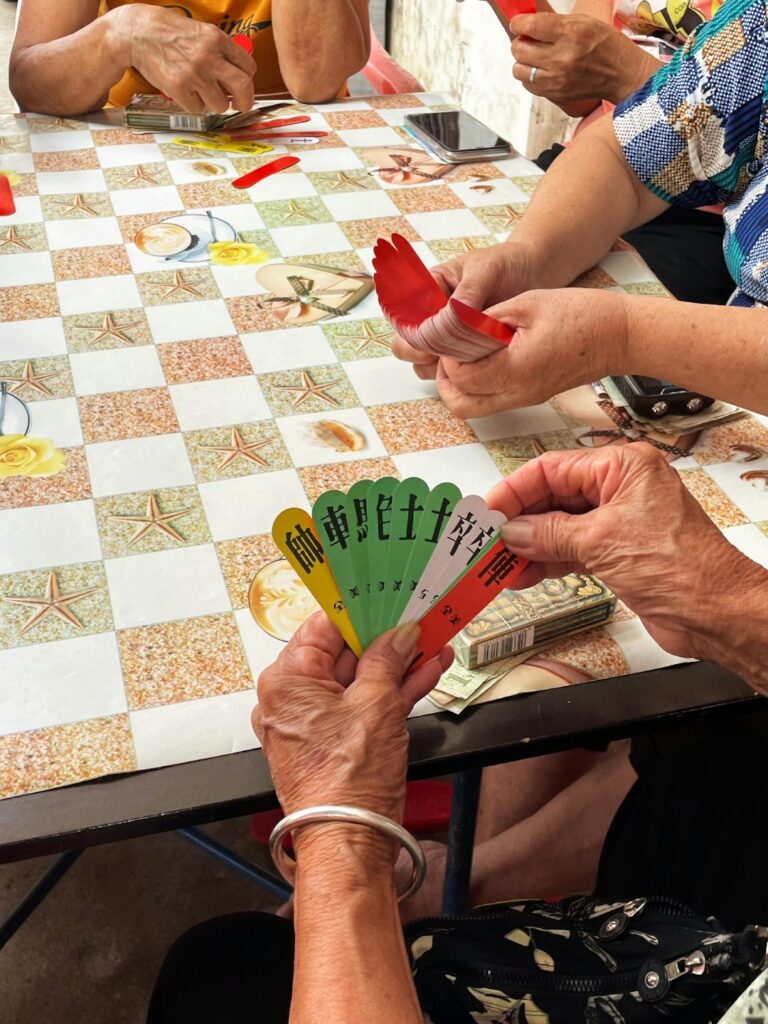
Creative hobbies can help assisted living residents stay engaged, express personal interests, and maintain a sense of routine. Activities do not need to be complicated, expensive, or physically demanding. The most suitable hobby is usually one that matches a person’s abilities, past experiences, attention span, and current energy level.
Why do creative hobbies matter in assisted living?
Creative activities give residents opportunities to make choices, use familiar skills, and connect with other people. They can also provide structure during the day, especially when outdoor activities are limited by cold temperatures, snow, rain, or shorter daylight hours.
A hobby may support:
- Hand coordination through painting, sorting, folding, or assembling
- Memory recall through music, storytelling, photo projects, or familiar recipes
- Emotional expression through writing, drawing, singing, and crafts
- Social connection through shared projects and informal conversation
- Personal identity by continuing interests that were meaningful earlier in life
Creative hobbies should not be treated as tests of talent. The goal is participation and enjoyment, not producing a perfect finished item.
Which hobbies work well for residents with limited mobility?
Many creative activities can be adapted for a person who spends most of the day in a chair, has limited reach, or tires easily. Tabletop projects are often practical because supplies can be placed within easy reach and the activity can be paused at any time.
Good options include:
- Watercolor painting with large-handled brushes
- Coloring with thick pencils, crayons, or easy-grip markers
- Collage-making with pre-cut paper, fabric, or photographs
- Simple flower arranging using lightweight containers
- Decorating greeting cards
- Sorting buttons, ribbons, or craft materials by color
- Making seasonal door or room decorations
- Creating bookmarks, placemats, or paper garlands
For residents with arthritis or reduced hand strength, larger tools and lightweight materials may be more comfortable than narrow pencils, tiny beads, or stiff scissors. Non-slip mats can keep supplies from sliding across a table.
What creative activities are suitable for people with memory loss?
Residents living with memory loss may enjoy activities that are familiar, sensory, and focused on the process rather than instructions with many steps. A person may participate successfully even if the finished project is different from the original plan.
Helpful activities include:
- Looking through family photographs and sharing stories
- Folding towels or fabric squares for a textile project
- Listening to familiar music and singing along
- Arranging large artificial or fresh flowers
- Decorating cookies or assembling simple snacks
- Painting broad shapes or using sponge stamps
- Matching colors, textures, or objects
- Making a memory box with safe, recognizable items
Instructions work best when they are brief and offered one step at a time. Demonstrating an activity may be more effective than explaining it verbally. Avoid correcting every detail. Encouragement and conversation are generally more helpful than focusing on accuracy.
Can music be considered a creative hobby?
Yes. Music is an accessible creative activity for many older adults, including those who do not play an instrument. Singing, humming, clapping, listening, and discussing favorite songs all count as participation.
Residents may enjoy:
- Singing familiar songs from different periods of life
- Playing simple rhythm instruments
- Creating a personal playlist with family assistance
- Listening to music connected to holidays, work, faith, or dancing
- Sharing stories about concerts, musicians, or songs
- Writing a few lines about a favorite musical memory
Music activities can be especially useful in group settings because residents may participate at different levels. Someone who does not want to sing may still enjoy listening or keeping rhythm.
What hobbies support storytelling and personal history?
Creative writing does not have to mean writing a long story. Short prompts can help residents remember experiences and share details with family members or neighbors.
Useful prompts include:
- A favorite childhood meal
- A job or skill learned over the years
- A memorable winter or summer
- A family tradition
- A treasured object
- A song associated with a special time
- Advice for younger generations
- A place that felt like home
Residents can respond by speaking, writing, drawing, or choosing photographs. A family member, volunteer, or staff member may record the person’s words with permission. The result might become a small personal history, a collection of recipes, or a set of stories to share with relatives.

Are seasonal crafts practical in Edinboro?
Seasonal projects can make indoor time feel more connected to the surrounding community. In Edinboro, winter weather may limit time outdoors, so indoor hobbies can provide a pleasant way to mark changes in the year without requiring travel.
Examples include:
- Creating paper snowflakes or winter window decorations
- Painting spring flowers
- Making pressed-leaf artwork in autumn
- Decorating cards for birthdays or holidays
- Building a simple indoor herb garden
- Creating a spring or summer nature collage from photographs
- Making table decorations with safe, lightweight materials
Outdoor elements should be handled carefully. Wet leaves, soil, sharp branches, and unknown plants may create slip, allergy, or infection concerns. Clean materials and supervised preparation are more suitable for shared activity areas.
How can hobbies be adapted for vision, hearing, or dexterity changes?
A creative hobby may remain enjoyable after simple adjustments. Good lighting reduces eye strain, while high-contrast materials can make objects easier to see. Large-print instructions and bold outlines may help residents follow a project more independently.
Useful adaptations include:
- Larger pieces instead of miniature parts
- Bright or contrasting colors
- Tools with wide, cushioned handles
- Pre-cut materials
- Stable tables and non-slip surfaces
- Verbal descriptions of visual steps
- Written instructions in large print
- Quiet spaces for residents who have difficulty hearing
- Demonstrations placed where everyone can see them
Scissors, hot glue, needles, small beads, and other tools require appropriate supervision. Residents with swallowing risks should not be given small loose objects unless the activity has been carefully assessed.
How can families encourage creativity without taking over?
Families can support hobbies by asking what the resident enjoys rather than assuming a particular activity will be appealing. A person who once enjoyed sewing may now prefer choosing colors, sorting fabric, or talking about past projects instead of handling a needle.
Helpful questions include:
- Would you rather make something, listen to music, or tell a story?
- Do you prefer working alone or with a group?
- Would you like to finish a project or simply try the materials?
- Which activities feel comfortable for your hands and eyes?
- Is there a hobby from home that could be simplified?
A finished project does not need to be displayed publicly. Some residents may prefer keeping it in their room, giving it to family, or simply enjoying the activity and moving on.
What makes a creative hobby sustainable?
The activity should be easy to begin, simple to pause, and flexible enough to accommodate changing energy or abilities. A small basket with familiar supplies can make independent participation easier. Projects with several short stages may be more manageable than activities that require completing everything in one sitting.
The most useful approach is to offer choices without pressure. Creativity in assisted living can involve making, remembering, listening, arranging, teaching, or sharing. Each form of participation can help a resident remain connected to personal interests and daily life.
