
How Does Assisted Living Support End-of-Life Care Needs?
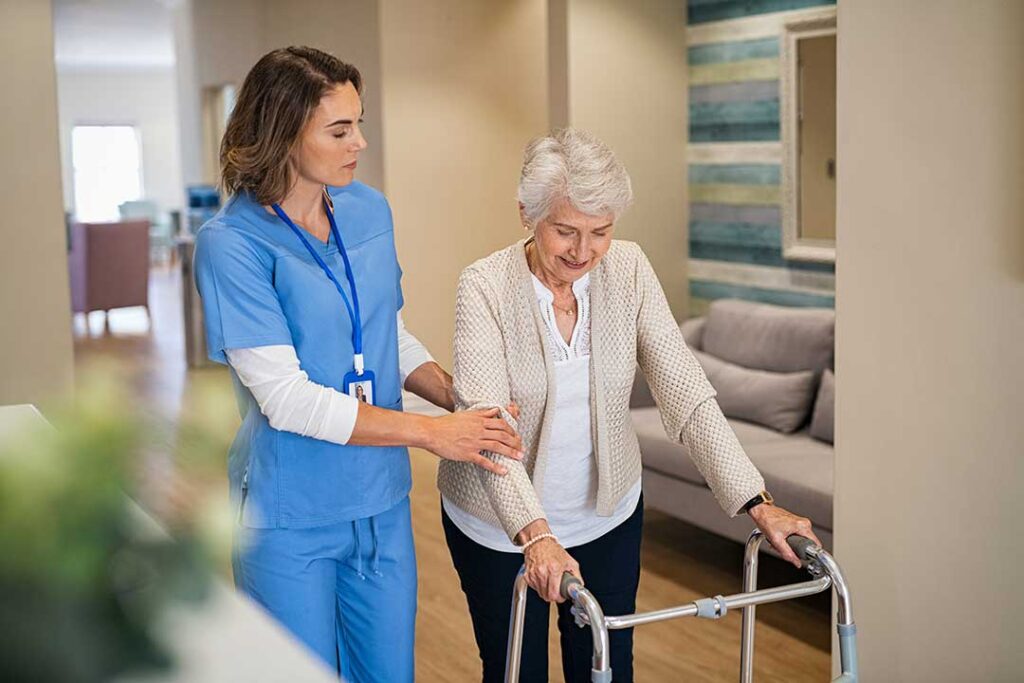
Assisted living communities are not typically licensed as hospice facilities, but they play an important role for residents as health needs progress—including during terminal illness or late-stage chronic conditions. The main support comes from coordinating daily care, providing stability, and offering a familiar setting during a vulnerable time.
End-of-life care in these environments usually blends the ongoing personal care that staff provide—like help with bathing, dressing, or meals—with external palliative or hospice services. This means families often work with both facility staff and outside providers to meet their loved one’s physical, emotional, and spiritual needs.
Can Loved Ones Stay in Assisted Living Until the End?
Some residents are able to remain in assisted living through their final days, but others may eventually require transfer to a skilled nursing facility or hospital if medical needs become too complex. It depends on several factors, including:
- The resident’s preferences and advance directives
- The severity and nature of medical issues
- The facility’s staffing, training, and policies
- Availability of hospice care and medical oversight in the community
For many people in Edinboro, local assisted living communities work closely with area hospice services. Hospice staff visit residents to manage pain, coordinate medications, and address comfort, while facility staff continue providing familiar day-to-day support.
What Choices Do Families Have Near the End of Life?
Families usually have three main care paths as conditions decline:
1. Remain in assisted living: With the addition of in-home hospice or palliative care, residents may be able to stay in familiar surroundings.
2. Transfer to a skilled nursing facility: If 24-hour medical and nursing attention becomes essential, a move to a higher level of care may be necessary.
3. Short hospital stays: For acute medical issues, hospitalization may occur but is generally not the preferred setting for long-term end-of-life care.
Decisions are highly personal, influenced by the resident’s health, wishes, and the availability of local services. Open conversations with the care team, including palliative specialists if needed, can help clarify what is possible in each setting.
What Palliative and Comfort Measures Are Typically Provided?
Comfort and quality of life are central to end-of-life care. In area assisted living communities, typical measures may include:
- Ensuring pain is well controlled and symptoms are managed
- Supporting daily routines with familiar staff and surroundings
- Accommodating visits from loved ones, faith leaders, or counselors
- Adjusting care to minimize disruptions and maximize dignity
Outside hospice or palliative care teams may guide medication adjustments, provide equipment, and educate staff or families about best practices for symptom relief.
How Can Families Prepare for This Stage?
Preparation usually helps reduce stress and improve the resident’s comfort. Useful steps include:
- Discussing wishes early, including advance directives or living wills
- Designating a healthcare power of attorney
- Meeting with staff to understand the facility’s options and limitations
- Learning how transitions to hospice or other services are handled locally
- Creating a plan for regular family visits and emotional support
In Edinboro, the rural atmosphere and strong community ties may mean more involvement from friends, neighbors, or faith communities during difficult times.
Are There Any Local Considerations for Edinboro Residents?

Edinboro’s climate, being prone to colder winters, can impact seasonal visits, access to services, and even comfort for those in the final stages of life. When planning for end-of-life care, families should consider:
- Weather-related travel and transportation, especially if family members live out of town
- Local hospice coverage and availability (often serving both in-home and assisted living residents)
- Reliable support for errands or respite, especially during icy or snowy months
Because most assisted living communities are designed for a home-like experience rather than intensive medical care, ongoing communication with both facility staff and outside providers is essential, particularly as conditions change.
What Misconceptions Do Families Sometimes Have?
Several misunderstandings are common:
- Believing assisted living always provides round-the-clock medical attention (it generally does not—nursing homes or hospitals serve that role)
- Thinking residents must move as soon as hospice is needed (some can safely remain in place with added support)
- Assuming physical decline always equals immediate hospitalization (comfort and quality of life are often better prioritized in familiar residential settings when possible)
Clarifying these points early can help guide thoughtful, less stressful decision-making.
How Can Families Support Each Other During This Time?
Family dynamics often intensify under stress. In Edinboro’s close-knit community, communication and shared planning go a long way:
- Hold regular, honest discussions with all involved
- Share updates with distant relatives so everyone understands changes
- Rely on local support networks, whether through neighbors, faith groups, or informal community circles
- Recognize that emotional reactions—grief, guilt, relief—are all normal and best managed with patience and respect
Making use of available community resources, whether informational, spiritual, or practical, can help ease the strain and allow families to focus on supporting their loved one in a meaningful way.
