
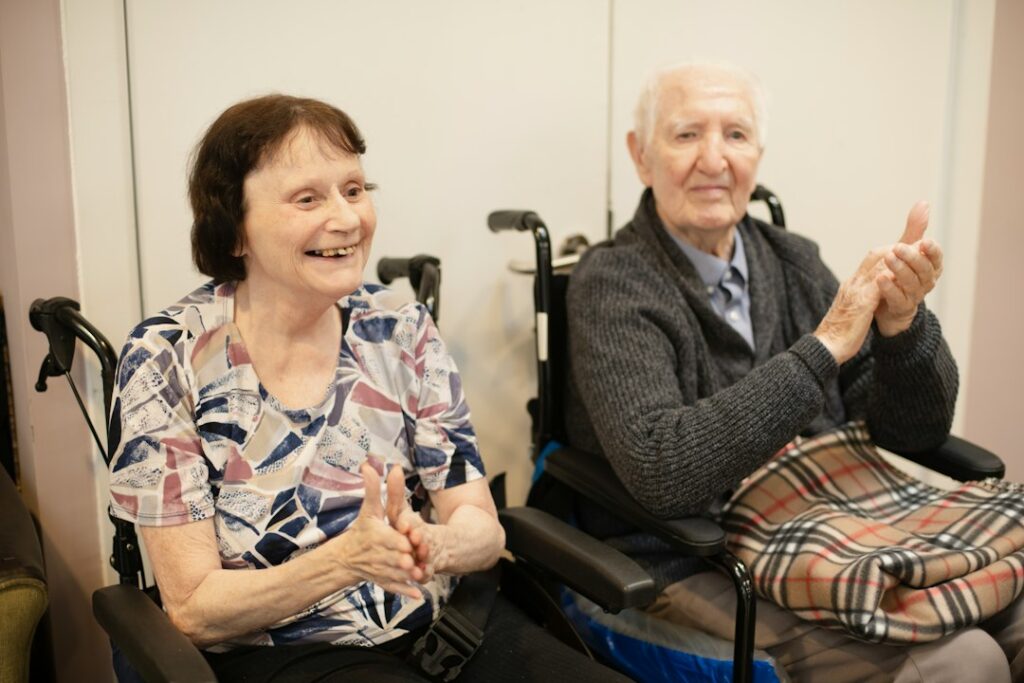
Holiday celebrations in assisted living can remain personal, familiar, and enjoyable even when routines, mobility, health needs, or family circumstances have changed. The most successful celebrations usually focus less on elaborate events and more on comfort, connection, familiar traditions, and each resident’s ability to participate.
How can residents celebrate holidays in assisted living?
Residents can celebrate through shared meals, music, decorating, religious observances, visits, seasonal crafts, storytelling, and quiet personal traditions. Activities can be adapted so that people with different abilities, energy levels, and preferences can take part.
A holiday celebration does not need to be large. A resident may prefer:
- Decorating a small tabletop tree or wreath
- Listening to familiar seasonal music
- Watching a favorite holiday movie
- Preparing a traditional family recipe with assistance
- Writing cards or recording messages for relatives
- Attending a service or spiritual program
- Sharing memories over coffee or dessert
- Displaying photographs or meaningful decorations
Some residents enjoy a lively gathering, while others feel more comfortable with a small visit or a peaceful activity in their room. Both choices are valid.
How can holiday traditions be adapted for assisted living?
Traditions can often continue with modest changes. The goal is to preserve the meaning of the activity while reducing physical effort, confusion, or safety concerns.
For example, baking can become decorating pre-made cookies, mixing ingredients while seated, or talking about recipes instead of preparing food independently. Gift wrapping can be adapted with larger boxes, lightweight materials, or assistance with scissors and tape. Decorating may involve choosing ornaments, arranging centerpieces, or directing others rather than climbing, lifting, or reaching.
Residents and families can consider:
- Shorter activities with rest breaks
- Seated options for crafts, games, and meals
- Large-print song sheets or calendars
- Familiar objects that support memory
- Simple decorations with clear visual contrast
- Smaller gatherings rather than crowded events
- Repeated explanations for residents with memory loss
- Flexible timing for residents who tire easily
Adaptation does not make a tradition less meaningful. It allows the resident to remain involved in a way that matches current abilities.
What should families know before visiting during the holidays?
Families should check visiting procedures, preferred times, meal arrangements, and any health-related requirements before arriving. Holiday schedules may differ from ordinary routines, and some residents may have appointments, medication times, therapy sessions, or planned activities.
A useful visit plan includes:
- Confirming the date and approximate length of the visit
- Asking whether food, decorations, or gifts are permitted
- Bringing only manageable items
- Planning a quiet space if the common area becomes tiring
- Avoiding surprise visits if the resident becomes anxious with changes
- Coordinating with other relatives to prevent overcrowding
In Edinboro, winter weather can create additional challenges. Snow, ice, wind, and early darkness may affect transportation and walking conditions. Families should allow extra travel time and consider whether a shorter indoor visit is safer and more comfortable than a longer outing.
Residents may also appreciate visits that do not depend on perfect weather. Video calls, recorded greetings, mailed cards, and shared photographs can help maintain connection when travel is difficult.
How can holidays be made comfortable for residents with dementia?
Residents living with dementia often benefit from familiar, simple, and predictable celebrations. Too much noise, too many people, or rapidly changing activities can cause distress or fatigue.
Helpful approaches include:
- Using familiar music from the resident’s younger years
- Showing one decoration or photograph at a time
- Offering simple choices, such as “Would you like music or a craft?”
- Keeping gatherings brief
- Explaining what is happening in calm, plain language
- Maintaining regular meals, rest periods, and medication routines
- Avoiding tests of memory, such as asking someone to identify every visitor
- Focusing on emotional connection rather than exact details
If a resident does not remember a holiday event, the experience can still be meaningful while it is happening. Smiling, singing, holding hands, enjoying a familiar scent, or sharing a favorite food may provide comfort even when specific memories are difficult to access.
What foods are appropriate for holiday gatherings?
Holiday foods should reflect the resident’s preferences while also following dietary restrictions, swallowing recommendations, allergies, and medical guidance. Foods that are familiar and easy to eat are often more enjoyable than complicated or unusually rich dishes.
Families should ask about requirements related to:
- Diabetes or other blood sugar concerns
- Low-sodium diets
- Food allergies
- Choking or swallowing risks
- Texture-modified meals
- Fluid restrictions
- Medication and food interactions
- Alcohol restrictions

A small portion of a traditional food may be possible for some residents, while others may need a safer substitute. Food should not be used to pressure a resident into participating. A person can enjoy the social part of a meal without eating every dish offered.
Holiday treats also require practical planning. Items containing nuts, hard candies, alcohol, or small pieces may not be appropriate for everyone. Clearly labeled ingredients and portion sizes can reduce confusion.
How can residents celebrate religious or cultural holidays?
Residents should be able to observe religious and cultural holidays in ways that respect personal beliefs, family customs, and individual choice. Assisted living celebrations should not assume that every resident observes the same holidays or wishes to participate in group events.
Possible accommodations may include:
- Private prayer or reflection
- Religious readings, music, or services
- Traditional foods prepared within dietary guidelines
- Culturally familiar decorations
- Family storytelling and language traditions
- Time for fasting or other observances when medically appropriate
- Visits from trusted spiritual or cultural leaders
- Quiet spaces for residents who do not wish to join group activities
Respectful planning also means asking rather than assuming. A resident’s preferences may have changed over time, and some people may celebrate privately rather than publicly.
What gifts are most useful for older adults in assisted living?
Useful gifts are usually practical, familiar, easy to store, and connected to the resident’s interests. Large quantities of belongings can create clutter, so a few thoughtful items may be preferable to many presents.
Examples include:
- Family photographs in a lightweight frame
- A soft blanket or washable lap robe
- Large-print books or magazines
- Comfortable clothing labeled with the resident’s name
- Simple puzzles or activity materials
- Favorite music with an easy-to-use player
- Unscented personal-care items
- A calendar with family birthdays and photographs
- Handwritten letters or recorded messages
Before bringing electronics, food, plants, or valuable items, families should ask about facility guidelines and the resident’s ability to use or care for them safely.
How can staff and families reduce holiday stress?
Clear communication helps prevent missed traditions, unsafe items, and unrealistic expectations. Families can share information about favorite songs, foods, customs, past celebrations, and subjects that may cause distress.
It is also helpful to accept that the resident may celebrate differently than in previous years. A person who once hosted a large gathering may now prefer a short visit. Someone who loved shopping may enjoy looking through a catalog or choosing a small gift instead. Preserving the resident’s sense of choice is often more important than recreating every detail of the past.
The most supportive holiday plans make room for participation, rest, privacy, and change. A familiar song, a favorite photograph, or a few peaceful minutes with family may carry more meaning than a crowded schedule of activities.
